Why Mushroom Flies Are Breeding in Your Terrarium (And Fixes)
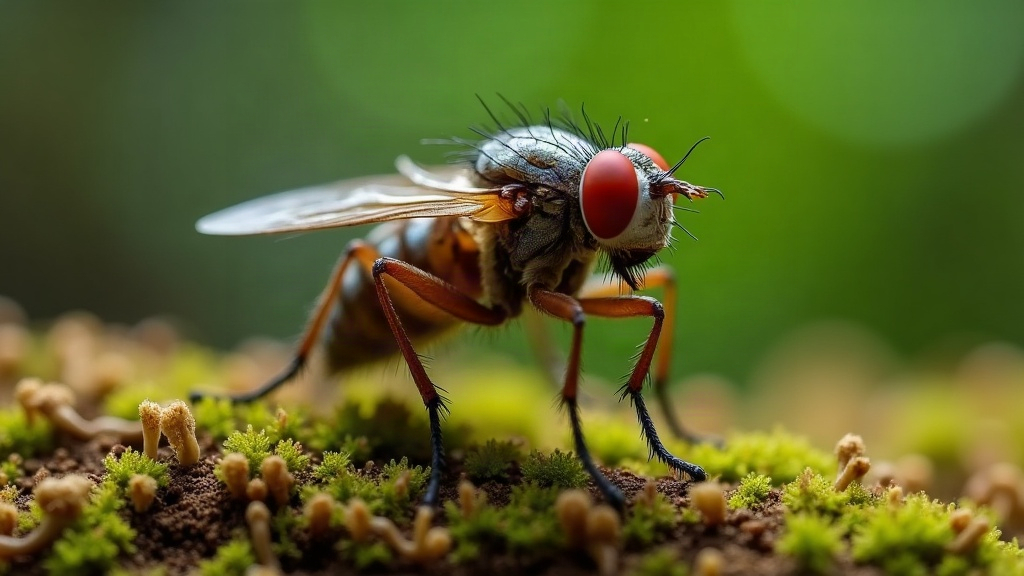
Mushroom flies (most people just call them fungus gnats) show up in terrariums because the substrate stays too wet and too loaded with rotting organic matter. That combination is basically a buffet for their larvae: plenty of moisture, plenty of food. Get rid of them by drying out the top layer of substrate, clearing out decaying debris, and bringing in predators or traps that break the breeding cycle before it spirals.
What Are Mushroom Flies, Exactly?
Mushroom flies, or fungus gnats (family Sciaridae), are small dark insects, usually 2-4mm long, that look like shrunken mosquitoes. People mix them up with fruit flies all the time, but the two want different things. Fruit flies chase ripe fruit sugars. Gnats go after fungal growth and decomposing material instead.
Inside a terrarium, the adults lay their eggs right in the moist substrate. Larvae hatch within days and start munching on fungi, mold, decaying leaf litter, and sometimes even the root hairs of your live plants. One female can lay up to 200 eggs. That’s the math behind why a minor nuisance turns into a full-blown infestation in a week or two if you don’t step in.
Why They’re Breeding in Your Terrarium
1. Excess Moisture
Soggy substrate, particularly in the top inch or two, is the number one cause, full stop. Bioactive setups that get misted constantly or have weak drainage layers end up with a humid pocket near the surface, and that’s exactly where gnats want to lay eggs.
2. Decomposing Organic Matter
Leaf litter, leftover feeder insects, dead roots, old food scraps, all of it breaks down and grows mold eventually. That mold is dinner for fungus gnat larvae. So the richer your mix (coco fiber, peat, compost), the more inviting it looks to them.
3. Poor Ventilation
Still, humid air with no airflow lets fungus build up on the surface, and that fungus feeds the gnat population right back. Glass enclosures with snug lids and zero cross-ventilation are prime real estate for this.
4. Introduced Eggs or Larvae
Sometimes the gnats never originated in your tank. They hitch a ride on new plants, bagged substrate, or quarantine bins from the pet store. Unsterilized soil is the usual suspect here.
How to Eliminate Mushroom Flies for Good
Step 1: Dry Out the Surface
Let the top layer dry between waterings. Grab a moisture meter if you’re guessing blindly. Most bioactive setups only need moisture deep down, not at the surface, so cut back on misting and aim water near the drainage layer instead.
Step 2: Remove Visible Mold and Decaying Debris
Pull any moldy leaf litter, dead plant matter, or leftover food within 24 hours of spotting it. If things haven’t improved after a week of these adjustments, swap out a chunk of the worst-affected substrate.
Step 3: Improve Ventilation
Add mesh panels or crack the lid a bit, assuming your animal’s humidity needs can tolerate it, to get air moving. Small clip-on fans made for reptile tanks work well here too, circulating air without drying the whole enclosure.
Step 4: Use Sticky Traps
Yellow sticky traps catch adult gnats before they get a chance to lay more eggs, and they’re cheap. Stick 2-3 small ones near the substrate surface and swap them out weekly until they come up empty.
Step 5: Introduce Biological Control
In bioactive vivariums, springtails and isopods go after the same mold and decaying matter the gnat larvae eat, so they outcompete them over time. A thriving springtail colony is honestly one of your best long-term defenses.
Step 6: Apply Mosquito Bits (BTI) If Needed
Products with Bacillus thuringiensis israelensis (BTI), sold as “mosquito bits,” target gnat larvae specifically and leave reptiles, amphibians, and plants alone. Soak a tablespoon in water, pour it over the substrate once a week, and repeat for 2-3 rounds until the infestation is gone.
Prevention Tips Going Forward
- Quarantine and rinse new plants before they go anywhere near an established terrarium.
- Don’t overfeed insects to your reptiles, and pull out anything uneaten right away.
- Use a well-draining substrate with a proper drainage layer (LECA or hydroballs) so water doesn’t pool.
- Build a solid cleanup crew (springtails and isopods) from day one in any bioactive setup.
Conclusion
Mushroom flies need damp, rotting conditions to thrive, so the fix always loops back to the same three things: moisture control, cleanliness, airflow. Dry the substrate, clear the debris, set sticky traps, bring in BTI or springtails, and most infestations are gone within two to three weeks. Keep those habits up and your terrarium stays gnat-free for good.