Best Humidity-Loving Ferns for a Steamy Kitchen Windowsill Terrarium
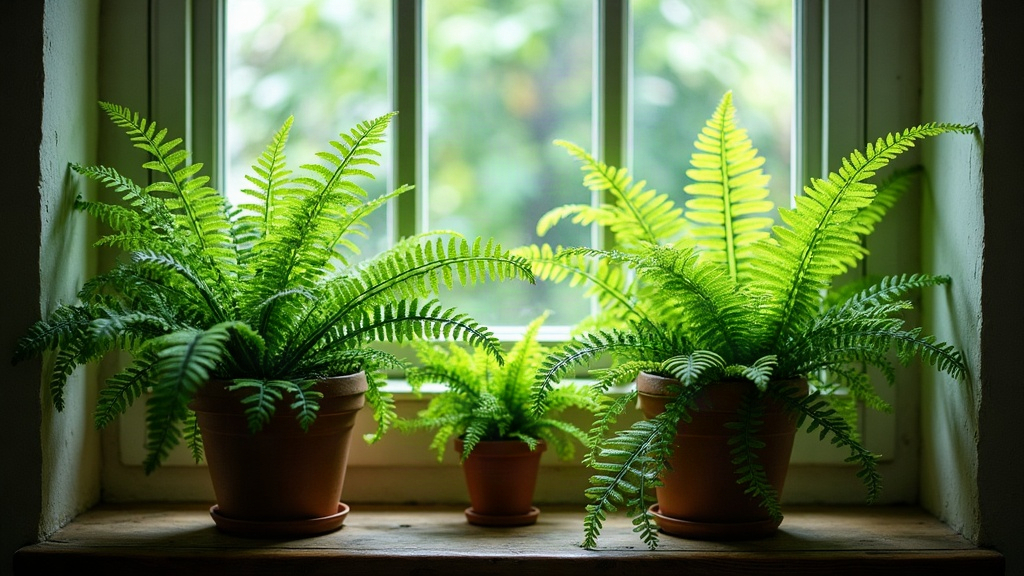
A kitchen windowsill might be the most overlooked real estate in your home for growing a lush, humid terrarium. Think about it: every time you boil pasta, run the dishwasher, or steam vegetables, you’re pumping moisture into the air right where your plants sit. That accidental humidity creates a microclimate that a surprising number of ferns genuinely love. The trick is picking compact, shade-tolerant species that stay happy inside a jar or glass cloche instead of sprawling out and busting the lid off. Here’s what works, plus the care habits that separate a thriving terrarium from a moldy mess.
Why Kitchen Windowsills Work So Well for Ferns
Most ferns originated on forest floors, tucked beneath a dense canopy where light arrives filtered and soft, and humidity almost never dips below 50%. A kitchen windowsill terrarium recreates that environment more closely than you’d expect:
- Steam exposure from cooking bathes the plants in moisture several times a day, no humidifier required.
- Indirect light from a north- or east-facing window keeps delicate fronds from scorching.
- Stable temperatures, typically 65–75°F (18–24°C) in most kitchens, land right in a fern’s comfort zone.
The main thing to get right is scale. Pick ferns small enough to stay content in a jar, a cloche, or a glass bowl, without demanding weekly pruning sessions just to keep the lid closed.
Top Fern Picks for a Steamy Kitchen Terrarium
1. Button Fern (Pellaea rotundifolia)
Small, rounded, leathery leaflets give this fern a neat, unhurried growth habit, ideal for tight containers. It’s also more tolerant of lower humidity than most ferns on this list, which makes it a forgiving entry point if you’re still figuring out how open or closed your terrarium should be.
2. Maidenhair Fern (Adiantum raddianum)
Delicate, almost theatrical in its fan-shaped fronds, maidenhair fern wants humidity and wants it consistently. Let the air dry out for even a day and it will wilt dramatically, practically sulking. The good news: it bounces back fast once moisture returns, so a mostly closed or fully closed terrarium suits it best.
3. Lemon Button Fern (Nephrolepis cordifolia ‘Duffii’)
A dwarf relative of the Boston fern, staying compact at 4 to 8 inches, with a faint citrus scent that releases when you brush against the fronds. It’s one of the most dependable choices for small glass terrariums, the kind of plant that just keeps doing its job without drama.
4. Bird’s Nest Fern, Dwarf Variety (Asplenium nidus ‘Crissie’)
The dwarf cultivar of this well-known houseplant fits comfortably into medium-sized terrariums. Its glossy, ruffled fronds bring real texture to the display, and it shrugs off the humidity swings that come with a kitchen window’s on-again, off-again steam cycle.
5. Rabbit’s Foot Fern (Humata tyermannii)
Named for the fuzzy, silver rhizomes that crawl across the soil surface like tiny paws, this one adds an oddball textural element you don’t get from foliage alone. It wants consistently moist air and works best as an accent plant next to taller ferns rather than as the centerpiece.
6. Moss Fern / Spikemoss (Selaginella kraussiana)
Not technically a true fern (it’s a fern ally), but it earns its spot here. Spikemoss forms a dense, low carpet that thrives in saturated air and does a great job filling the gaps between taller specimens, hiding bare soil and tying the whole arrangement together.
Setting Up Your Kitchen Fern Terrarium
- Choose a vessel with some airflow. A fully sealed jar traps too much condensation and invites rot faster than you’d think. A cloche propped open slightly, or an open-top glass bowl, usually performs better next to a steamy window.
- Layer properly. Start with a drainage layer of pebbles, add a thin layer of charcoal to keep odors in check, then top with a well-draining, peat-free terrarium mix.
- Mist, don’t drown. Even the thirstiest humidity-lovers on this list hate soggy roots. Mist the fronds daily and water the soil sparingly, just enough to keep it lightly moist.
- Avoid direct sun. A kitchen window that gets harsh afternoon rays will scorch fronds in an afternoon. A sheer curtain solves this problem instantly if relocating the terrarium isn’t an option.
- Watch for condensation patterns. Thick fog on the glass every morning is a good sign, it means humidity is where it should be. If the glass stays bone dry, step up your misting or shift the terrarium a bit closer to where the steam actually hits.
Common Problems and Fixes
- Browning frond tips: Usually points to low humidity or tap water loaded with chlorine or fluoride. Switch to filtered water or, better yet, rainwater if you can collect it.
- Mold on soil surface: A combination of poor airflow and overwatering. Crack the container open for an hour a day until it clears up.
- Leggy growth: A sign of insufficient light. Move the terrarium a few inches closer to the window, or add a small grow light if your kitchen window just doesn’t get enough brightness.
Final Thoughts
A kitchen windowsill terrarium essentially turns your daily cooking steam into a free, built-in humidity system, the exact thing most ferns struggle to get in a typical dry living room. Button fern, lemon button fern, and maidenhair fern are particularly well suited to this setup, bringing lush texture without ever threatening to outgrow their glass home. Get the balance of airflow, light, and misting right, and a small fern terrarium can sit happily above your sink or counter for years, quietly doing its thing every time you put a pot on to boil.