Vivarium vs. Terrarium: Which One Fits Your Budget and Space
Vivarium vs. Terrarium: Which One Fits Your Budget and Space
So you want to bring a bit of nature indoors. Good instinct. But before you buy anything glass and shiny, you need to settle the vivarium vs. terrarium question, because these two get lumped together constantly and they really shouldn’t be. A terrarium is basically a plant showcase. A vivarium is a full-blown habitat for an animal, with plants playing a supporting role. Which one you end up with depends on three practical things: what (if anything) you’re planning to keep alive in there, how much room you actually have, and how much cash you’re willing to part with. Let’s get into the real numbers and real differences.
What Is a Terrarium?
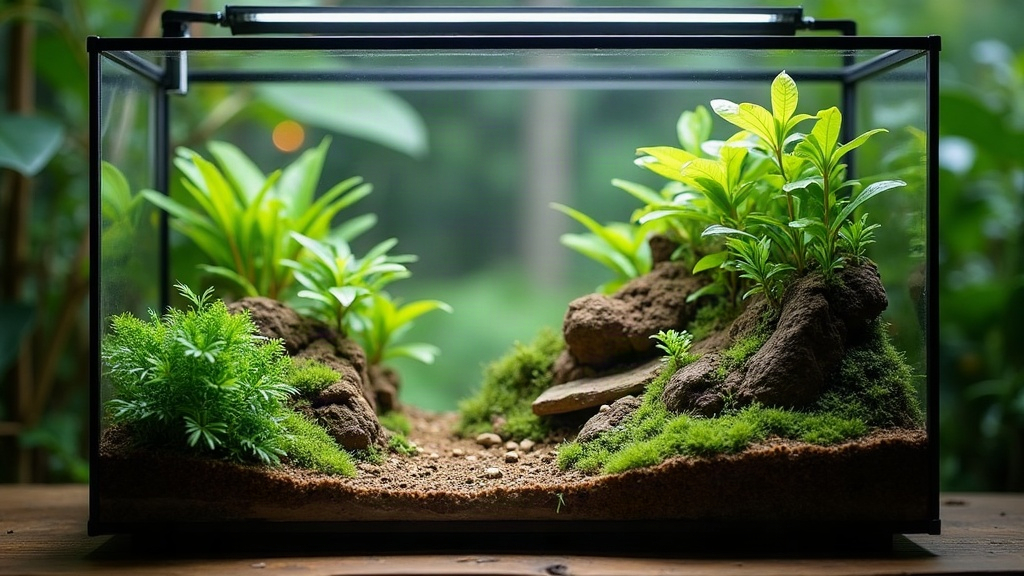
A terrarium is a glass or plastic container built mainly to show off plants. Think of it as a tiny, self-contained ecosystem, often sealed shut to hold moisture in, where ferns, mosses, and tropical leaves thrive without much fuss from you.
There are two flavors worth knowing:
- Closed terrariums keep a lid on (literally), trapping humidity inside. Ferns, moss, and fittonia love this setup, and honestly, you might only need to water one a few times a year.
- Open terrariums skip the lid entirely. These work for succulents, cacti, and air plants that want dry air and plenty of light.
Since there’s no animal to worry about, terrariums stay cheap and mostly hands-off. Grab an old glass jar, some drainage pebbles, and a few small plants, and you’re looking at $15 to $40 for the whole thing.
What Is a Vivarium?
A vivarium is built around a living, breathing animal. Plants get added in, sure, but they’re set dressing, not the star. It’s a broad category too: reptile vivariums, amphibian setups, even a heavily planted aquarium can technically count.
The one rule that defines everything here: the animal’s needs come first, always. In practice that means dealing with:
- Temperature control (heat mats, basking lamps, thermostats)
- Humidity management (misting systems, hygrometers)
- UVB lighting for a lot of reptile species
- Live or fake plants, hides, branches to climb
- An enclosure that’s actually escape-proof
All that gear is exactly why a vivarium costs noticeably more than a terrarium of the same footprint.
Key Differences at a Glance
| Factor | Terrarium | Vivarium |
|---|---|---|
| Primary focus | Plants | Live animals |
| Climate control | Usually passive | Often requires heating and UVB |
| Cost (small setup) | $15–$80 | $100–$400+ |
| Maintenance | Low, occasional trimming | Daily to weekly feeding and cleaning |
| Space | Small jars to tabletop cases | Larger tanks with equipment space |
Budget Breakdown: What Each One Really Costs
Terrarium budget example (closed, 1-gallon):
- Glass jar or container: $10–$25
- Drainage layer (pebbles/charcoal): $5–$10
- Potting mix and moss: $8–$15
- Plants (2–4 small species): $10–$25
- Total: roughly $30–$75
Vivarium budget example (20-gallon, for a leopard gecko or crested gecko):
- Glass tank or PVC enclosure: $60–$150
- Heating (heat mat or lamp + thermostat): $30–$80
- UVB or LED lighting: $25–$60
- Substrate, hides, and decor: $30–$70
- Live plants and cleanup crew (optional): $20–$50
- Total: roughly $150–$400 before the animal itself
And that gap only grows once you factor in ongoing costs, food, supplements, the occasional vet trip. A terrarium never asks you for any of that.
Space and Placement Considerations
Terrariums don’t ask much of you. A small jar sits happily on a desk or bookshelf, doesn’t need an outlet nearby, and fits into pretty much any room in the house. Start with something as small as a 6-inch jar, and if you catch the bug, work your way up to a 10-gallon display case later.
Vivariums are a different story, and they take actual planning. Beyond just the tank’s footprint, you’ll need:
- A flat, sturdy surface that can hold the tank’s weight plus substrate and water (a 20-gallon setup full of substrate is heavier than it looks)
- A nearby power outlet for lights and heat
- A location away from drafts, direct sun, and heavy foot traffic
- Space above and around it for whatever equipment gets mounted
For reference, a 20-gallon vivarium with a screen lid eats up around 30 by 12 inches of counter or stand space, plus you need vertical room for the lighting rig.
Maintenance: Effort Over Time
A closed terrarium is about as low-effort as houseplants get. Crack it open now and then, trim what’s gotten too big, and mist it only once the condensation on the glass has cleared up. Open succulent terrariums want a bit more attention, but “weekly watering” is still the extent of it.
A vivarium, though? That’s a living commitment, full stop. You’re spot-cleaning daily, feeding on a schedule, swapping out water, and doing a deeper clean every one or two weeks. Pick a species that’s picky about temperature or humidity, and you’ll be checking those readings every single day, no exceptions.
How to Choose: A Simple Decision Path
- Want something cheap, low-effort, no animal involved? Go terrarium, and start small and closed.
- Set on keeping a reptile or amphibian? Then it’s a vivarium, no way around it, and heating and lighting need to be in your budget from day one.
- Short on space, or renting an apartment? Terrarium wins, hands down, it’s portable and forgiving.
- Ready to commit to a pet long-term? Do your homework on the specific species first. Its adult size and climate needs will dictate the tank size and the budget you’re really looking at.
Conclusion
There’s no clear winner in the vivarium vs. terrarium debate, just the setup that actually fits what you’re trying to do. A terrarium gives you a cheap, low-maintenance way to grow something beautiful behind glass. A vivarium costs more and demands more gear, but it gives a living animal a real home built around what it actually needs. Line up your budget, your space, and how much daily care you’re genuinely willing to put in, and you’ll end up with something that actually fits your life, not just your Pinterest board.