Low-Light Terrarium with Lucky Bamboo and Marimo Moss Balls
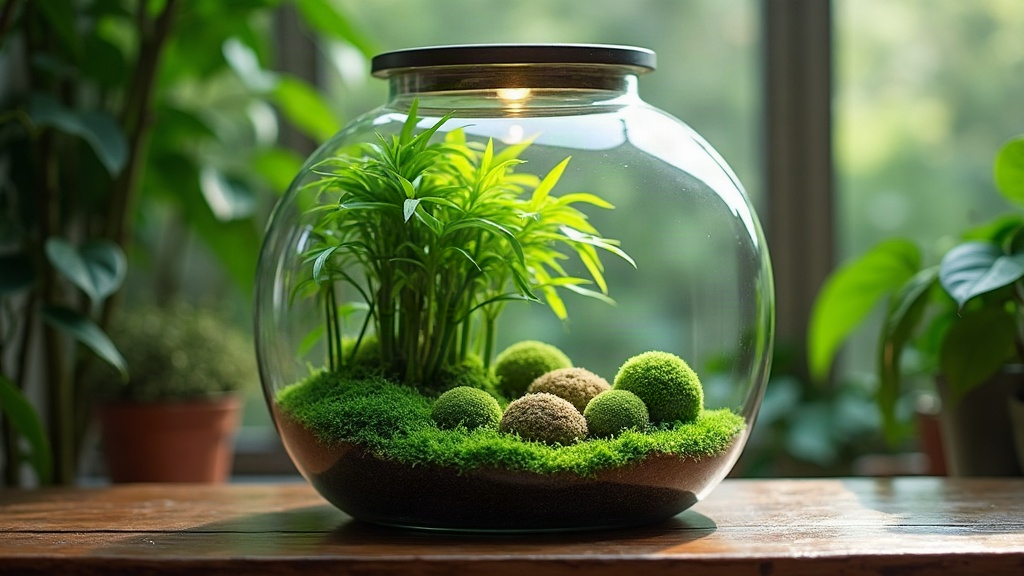
Why Lucky Bamboo and Marimo Moss Balls Make the Perfect Low-Light Terrarium
Got a desk that never sees sunlight? A bathroom with zero windows? A bookshelf stuck in permanent shade? There’s still a way to keep something green and alive there. Pairing lucky bamboo (Dracaena sanderiana) with marimo moss balls (Aegagropila linnaei) gives you one of the most forgiving, and honestly one of the prettiest, terrarium setups you can build. Neither plant touches soil. Both shrug off dim light. Put them together in a glass vessel and you get a quiet, almost sculptural little aquatic garden that can keep going for years with barely any fuss.
Why This Plant Combination Works
Here’s the odd part: these two aren’t related at all. Lucky bamboo is a Dracaena stalk that roots in water. Marimo are balls of slow-growing algae that just happen to roll themselves into tidy green spheres over decades. Different worlds entirely. But they share three traits that make them a surprisingly good match for a low-light setup:
- Low light tolerance: Both get by just fine under indirect or artificial light, somewhere in the 50-200 lux range is plenty.
- Water-based growth: No soil means no mud, no mold, and far fewer fungus gnats buzzing around your desk.
- Slow growth rate: Marimo creep along at about 5mm a year. Bamboo grows slowly indoors too. Translation: you’re not pruning every weekend.
That combination makes this setup almost tailor-made for beginners, renters who can’t commit to anything permanent, or people who disappear on business trips for ten days at a time.
Choosing the Right Container
Because you’re dealing with water instead of dirt, the container you pick actually matters a lot here, maybe more than it would for a typical terrarium.
- Open glass vessels (think apothecary jars, old fishbowls, tall cylinder vases) are your best bet. They let air move freely and they’re a breeze to clean out.
- Skip the fully sealed terrariums for this one. Trapped, stagnant air over standing water is a recipe for algae blooms and rotting bamboo roots.
- Go at least 6-8 inches wide. Marimo balls need room to roll around on their own, and that rolling is actually what keeps them round instead of flattening on one side.
- Clear glass, not colored. You want to watch root growth happen and spot algae or cloudy water before it gets out of hand.
Step-by-Step Setup
- Rinse the container with warm water, no soap, soap residue is bad news for both plants.
- Add a bottom layer of smooth aquarium gravel or river stones, about 1-2 inches deep, enough to look intentional and anchor the bamboo stalk upright.
- Fill with filtered or dechlorinated water. Straight tap water still carrying chlorine or chloramine will slowly damage both plants. No dechlorinator on hand? Just let a jug of tap water sit out uncovered for 24 hours before using it.
- Position the lucky bamboo with roots underwater but leaves staying dry and above the surface.
- Add 1-3 marimo moss balls depending on how big your container is. Don’t cram them in. Each ball needs space to roll and catch light evenly, or it’ll stop growing symmetrically.
- Top with light decorative stones, or skip that step entirely if you prefer the bare, minimalist look.
Lighting Without Direct Sun
Quick clarification: “low-light” is not the same thing as “no light.” Both plants still need some ambient brightness to survive the long haul, not just a week or two.
- A spot near a north-facing window works well. So does a few feet back from an east or west-facing one, or just under regular indirect office lighting.
- No natural light at all? A small LED grow light, or honestly even a warm desk lamp running 6-8 hours a day, does the job.
- Keep it out of direct sun. Sunlight heats the water up and kickstarts algae growth on the marimo, turning what should be vibrant green balls into a dull, murky brown.
Ongoing Care and Common Problems
- Water changes: Swap out the water every 1-2 weeks. This keeps bacteria from building up and keeps the marimo balls looking their best, bright and green rather than dingy.
- Rotate the marimo balls by hand at each water change so every side gets equal light exposure over time.
- Yellowing bamboo leaves almost always point to chlorinated water, or sometimes too much direct light. Switch to filtered water first and move it to a dimmer spot.
- Cloudy water or a visible algae film means it’s getting too much light, or you’re not changing the water often enough. Relocate it somewhere dimmer and clean it more regularly.
- Root rot on the bamboo shows up as mushy, darkened roots, a clear sign the water’s gone stagnant. Trim off the damaged roots and change the water right away, don’t wait.
Styling Tips
- Tie 2-3 bamboo stalks of different heights together with a plain ribbon for that classic feng shui look you’ve probably seen in office lobbies.
- Marimo naturally split and produce “pups” over time, so pair one big ball with a couple of small ones for a little family grouping in the jar.
- Toss in a single piece of dark lava rock for contrast. It won’t leach minerals into the water the way some decorative stones do.
Conclusion
No sunlight, no soil, no problem. A lucky bamboo and marimo terrarium proves you can still grow something genuinely alive and good-looking in the darkest corner of your home. Grab an open glass container, use dechlorinated water, keep it out of direct light, and change the water every couple of weeks. Do that and this pairing will quietly thrive for years on a shaded shelf or a desk that never gets a ray of sun, making it one of the easiest, most rewarding little terrariums a beginner (or a busy plant lover with zero time) could ask for.