How to Protect a Closed Terrarium From Dry Winter Radiator Air
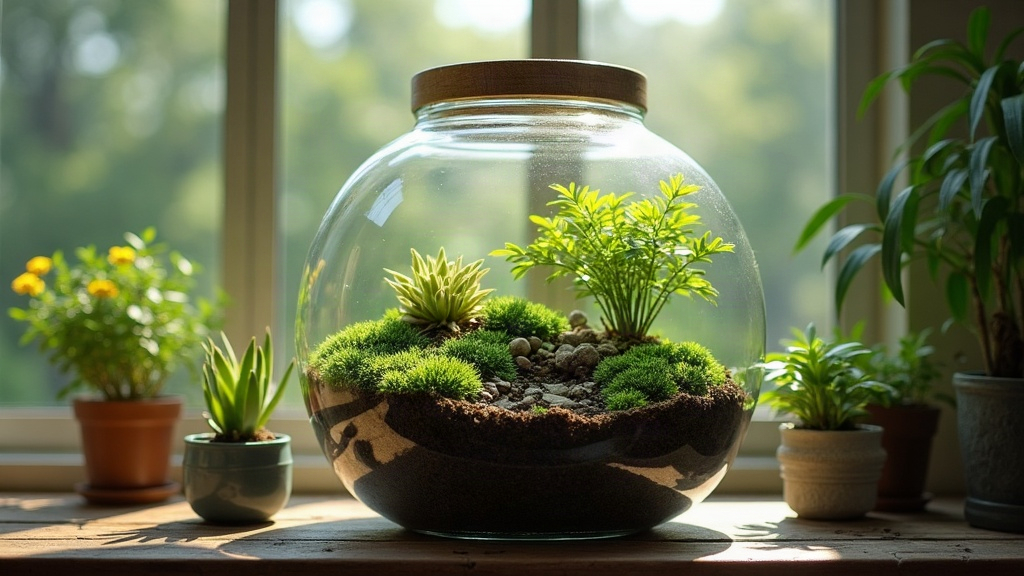
Dry winter radiator air can quietly wreck a closed terrarium, even when that glass lid looks perfectly sealed. Here’s the thing: rising hot, low-humidity air near heaters pulls moisture out through the tiniest gap and heats the soil unevenly, which stresses out plants and mosses before you even notice anything’s wrong. The fix isn’t complicated. Move the terrarium out of the direct heat path, actually track humidity instead of eyeballing it, and tighten up the seal so your little self-sustaining ecosystem can ride out the cold months intact.
Why Radiators Are a Bigger Threat Than You Think
A closed terrarium runs on its own miniature water cycle: moisture evaporates off the soil, condenses on the glass, drips back down, repeat. That cycle only holds together when temperature stays reasonably steady. Radiators throw a wrench into it in three distinct ways:
- Localized heat spikes. A terrarium sitting a full meter away can still see a 5-8°F (3-4°C) jump in internal temperature. Doesn’t sound like much until you realize that’s enough to shift the whole evaporation rate.
- Accelerated evaporation. Warm air simply holds more moisture, so water leaves the substrate faster than it can condense back out. The result: a “sealed” terrarium that’s bone dry at the roots anyway.
- Air currents. Forced-air units and convection radiators both generate drafts, and those drafts find their way through lid gaps you’d swear were airtight, slowly siphoning humidity out over days or weeks.
Noticed your terrarium fogging up less than it used to? Moss going crispy at the tips? Nine times out of ten, that’s dry radiator air working against you in the background.
Step 1: Reposition the Terrarium
Distance and placement fix more problems than any gadget will:
- Keep terrariums at least 3 feet (1 meter) away from radiators, baseboard heaters, or heating vents. No exceptions here.
- Skip windowsills positioned directly above radiators. Heat rises and bakes the glass from underneath, which you won’t see happening until the moss tells you.
- Pick a spot with indirect light and stable ambient temperature, something like an interior shelf set back from exterior walls.
Can’t move it? Then build a cheap heat shield. A scrap of cardboard or a cork board wedged between the radiator and the terrarium blocks most of the direct thermal radiation, and it costs you nothing.
Step 2: Check Humidity, Don’t Guess
Visual cues lie to you in winter, because condensation patterns shift with every temperature swing in the room. So skip the guesswork:
- Drop a small hygrometer inside (or just outside) the terrarium and actually watch the numbers.
- Aim for 80-100% relative humidity if you’re running tropical setups (ferns, mosses, fittonia).
- If the reading sits below 70% for more than a few days running, act now. Don’t wait around for wilting you can see with the naked eye.
Step 3: Reinforce the Seal
The lid and any openings are really the only thing standing between your terrarium and the dry air outside it:
- Inspect gaskets and lid edges for warping. Winter heating dries out cork and wood lids fast, and that’s exactly where gaps sneak in.
- If your current lid has shrunk or cracked, switch to glass with a silicone seal. It’s a five-minute swap that solves the problem for good.
- Styling an open-top jar as a “closed” terrarium? Tape on some plastic wrap or lay a glass pane over it during peak heating season. Not elegant, but it works.
Step 4: Adjust Watering Carefully
Dry radiator air speeds up evaporation, sure, but overcorrect and you’ll trade a dry terrarium for a moldy one:
- Mist lightly every 1-2 weeks rather than soaking the substrate, then check the glass the next day for condensation.
- If that condensation vanishes within an hour of misting, your air exchange rate is too high. Go back and recheck the seal before you water again.
- Don’t water right after the room heater’s been running. Warm soil pulls in moisture unevenly, leaving dry pockets right next to soggy ones.
Step 5: Use a Buffer Zone
Set the terrarium on a tray lined with pebbles, or even a folded towel. That layer adds a bit of thermal insulation between the surface underneath (a radiator-warmed floor or windowsill, usually) and the terrarium base, cutting down on conductive heat transfer you’d otherwise never notice.
Signs Your Terrarium Is Struggling From Dry Air
- Moss browning or going brittle right at the tips
- Noticeably less condensation on the glass, even though watering hasn’t changed
- Soil pulling away from the glass edges, leaving a visible gap
- Fern or pilea leaves curling inward
Catch these early and you’re usually fine. Most closed terrarium ecosystems bounce back within 2-3 weeks once humidity and temperature settle down again.
Conclusion
Keeping a closed terrarium safe from dry winter radiator air really comes down to three habits: put distance between it and your heat sources, track humidity with an actual hygrometer instead of guessing from the glass, and keep that lid tight and well-sealed. Nail those three things and the terrarium’s own water cycle keeps humming along all winter, no extra watering marathons, no emergency moss rescues required.