How to Safely Replant an Overgrown Terrarium Without Damage
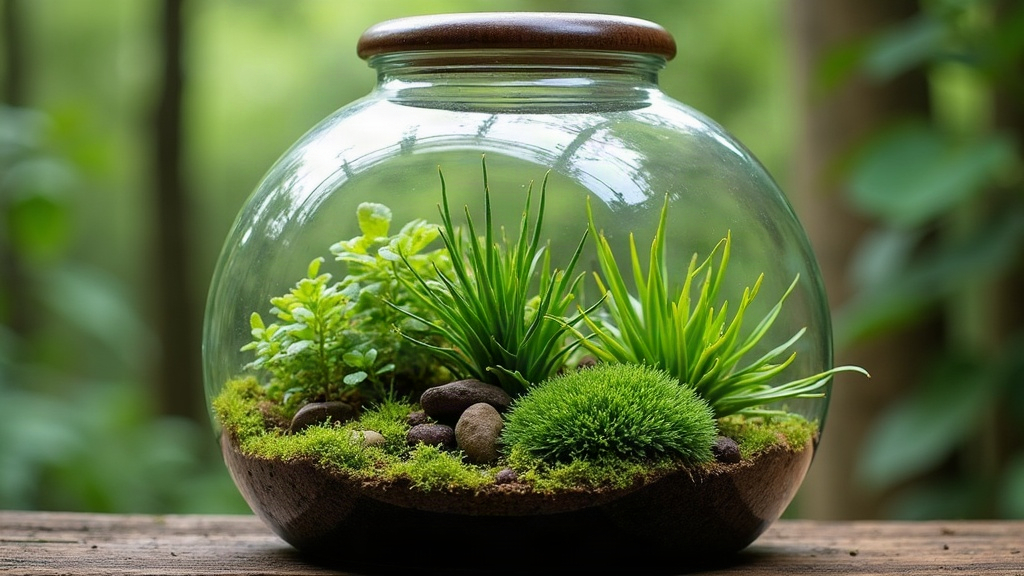
An Overgrown Terrarium? That’s Actually a Good Sign
An overgrown terrarium is a good problem to have. It means your tiny glass ecosystem is doing exactly what it’s supposed to do: growing. But once roots start crowding the glass, leaves press up against the lid, or water stops draining the way it used to, you’ve hit the point where replanting isn’t optional anymore. The trick is doing it without wrecking the roots, without sending your plants into shock, and without throwing off the moisture balance that took months to dial in. Get it right and plants bounce back in days. Get it wrong and you’re looking at weeks of sulking leaves.
Signs Your Terrarium Needs Replanting
Before you grab the tweezers and start yanking things out, make sure replanting is actually warranted. Here’s what to look for:
- Roots visibly circling the glass or poking out through the drainage layer
- Lower leaves turning yellow even though your light and watering routine hasn’t changed
- Soil that stays wet for days after watering, a sign the substrate has compacted
- Plants pressed against the lid or walls, which invites condensation rot
- Growth that’s slowed to a crawl despite the plant being vigorous not long ago
See two or more of these? The root system has almost certainly outgrown its space, and it’s time to give it more room or swap in fresh substrate.
Gather the Right Tools First
Diving in without the right tools is probably the number one reason terrarium roots end up torn. Before you touch anything, line up:
- Long terrarium tweezers or chopsticks for gentle lifting
- A soft, narrow spatula or bonsai root hook, for loosening soil without shredding roots
- Sterile scissors for trimming dead or circling roots
- A spray bottle filled with distilled water
- Fresh substrate mixed appropriately for your plants (well-draining, with an activated charcoal layer if it’s a closed terrarium)
- A clean work surface and some paper towels to keep moisture loss under control
Step-by-Step: Removing Plants Without Tearing Roots
- Water lightly 12 hours beforehand. Soil that’s slightly moist, not soaked, not bone-dry, holds its shape better and lets go of roots more easily than either extreme.
- Loosen the edges first. Run a thin spatula around the inside of the glass to break the bond between soil and container before you lift anything out.
- Lift from the base, not the stem. Cradle the root ball from underneath with tweezers or a small scoop. Pulling by the stem is practically guaranteed to snap off the fine root hairs that do most of the actual nutrient absorption.
- Work in sections. If the terrarium is crowded, take out the tallest or most established plant first. That opens up working room for everything else.
- Rinse only when you have to. If roots are badly tangled in old substrate, a gentle rinse under lukewarm distilled water will separate them more safely than trying to finger-comb dry, stubborn soil.
Trimming Roots the Right Way
Not every overgrown root needs the scissors. But when trimming is called for, a few rules keep you from doing more harm than good:
- Only cut roots that are brown, mushy, or wound tightly into circles (root-bound).
- Leave at least two-thirds of the healthy white or tan root mass untouched.
- Use sterile scissors, dipped in isopropyl alcohol between cuts, so you’re not spreading fungal problems from one root to the next.
- Cap trimming at 20-25% of total root volume per session. Go heavier than that and you risk real shock, especially with slow-recovering plants like ferns or mosses.
Rebuilding the Terrarium Base
Once the plants are separated and trimmed, don’t just shove them back into the old, compacted soil. Rebuild the base layers from scratch:
- Drainage layer (small stones or LECA), about 1-2 inches
- A thin layer of activated charcoal to keep mold and odor in check
- A mesh or sphagnum moss barrier so soil doesn’t work its way down and clog the drainage layer
- Fresh substrate mixed for your specific plants (more perlite for succulents, more organic matter for tropical species)
This layering matters just as much as what you do with the roots. Honestly, a terrarium often looks overgrown simply because the old substrate has broken down and quit draining properly, not because the plants themselves have outgrown the space.
Replanting and Aftercare
- Give plants 20-30% more breathing room than they currently need. That buys you time before the next overgrowth cycle.
- Press soil gently around the roots. Don’t pack it down tight, that chokes off oxygen flow.
- Mist lightly after replanting rather than pouring water straight in.
- Keep the terrarium out of direct sun for 3-5 days while it settles.
- Expect a little wilting in the first 48 hours, that’s normal. By day three, plants should be perking back up.
How to Avoid Doing This Again Too Soon
- Stick to naturally slow growers for closed terrariums: mosses, selaginella, miniature ferns.
- Prune foliage regularly instead of waiting until the whole root system needs an overhaul.
- Repot every 12-18 months on a schedule, before the plants ever become root-bound.
Conclusion
Replanting an overgrown terrarium doesn’t have to set your mini-garden back by weeks. Loosen the soil carefully, lift from the root ball instead of the stem, trim only what actually needs cutting, and rebuild the drainage layers properly. Do that, and you protect the roots while giving your plants the room they need to keep growing. Pay attention during those first few days, and most terrarium plants recover fast, often coming back healthier than they were before.