Keeping Peperomia Prostrata (String of Turtles) From Rotting
Why String of Turtles Rots So Easily (And How to Actually Stop It)
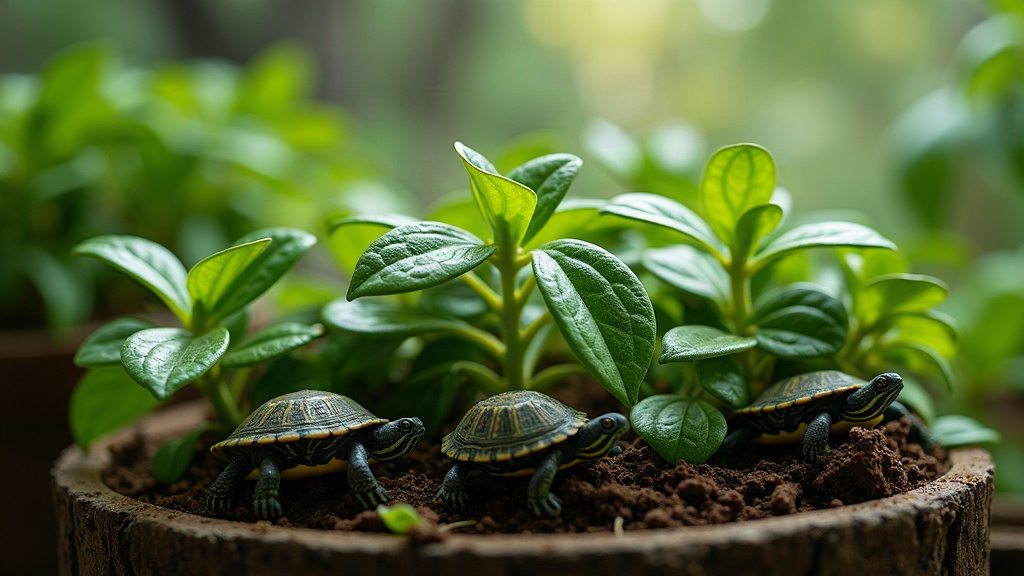
Peperomia prostrata, better known as String of Turtles, is one of the most charming trailing houseplants out there. Those tiny shell-patterned leaves cascade down a pot like a little parade of baby tortoises. It’s also one of the quickest plants to turn to mush, especially in homes where growers crank up humidity trying to make the leaves look fuller and glossier. Here’s the twist though: this plant doesn’t need high humidity to thrive. It needs the right balance of moisture, airflow, and a substrate that drains fast. Miss that balance and you’ll watch stems go black and soft within a matter of days.
Why String of Turtles Rots So Easily
The succulent-like leaves and stems fool a lot of people into treating this plant like a tropical humidity addict. It’s not. String of Turtles is actually an epiphytic/succulent hybrid from semi-arid parts of South America, where it grows in leaf litter and rocky crevices, places where water disappears almost instantly after rain. So when you combine high humidity with soil that never dries out, you’ve created a swamp with no escape route. That’s the exact recipe for stem and root rot.
Common rot triggers include:
- Dense, moisture-retentive soil (regular potting mix with no amendments)
- Pots without drainage holes, or saucers that collect standing water
- High humidity paired with stagnant air (zero circulation)
- Overwatering “just in case” the moment leaves look a bit wrinkled
- Cold, damp conditions that slow down transpiration
The Right Soil Mix
Soil is the single biggest fix here, hands down. String of Turtles needs a substrate that dries out in 3-5 days, not two weeks. A recipe that works consistently:
- 40% regular potting soil
- 30% perlite or pumice
- 20% orchid bark
- 10% horticultural charcoal (keeps fungal buildup in check)
This blend drains quickly but still holds just enough moisture for those thin roots to drink between waterings. Skip anything coco-coir-heavy, and definitely skip bags labeled “moisture control.” They stay damp far too long for a plant built for rocky crevices.
Watering Strategy That Actually Works
Forget fixed schedules. Check the soil with a finger or a wooden skewer instead. Water only once the top 3-4 cm (about 1.5 inches) is bone dry. When you do water:
- Soak it thoroughly until water runs out the drainage holes
- Never let the pot sit in a puddle of runoff
- Cut back frequency a lot in fall and winter, when growth slows to a crawl
One mistake shows up constantly: mistaking wrinkled leaves for a thirst signal. Peperomia prostrata leaves naturally shift between plump and soft depending on light and temperature. A little wrinkling doesn’t automatically mean dehydration. Check the soil before you reach for the watering can.
Managing Humidity Without Causing Rot
High humidity itself isn’t the enemy. The problem starts when it’s not paired with airflow and fast-draining soil, because then moisture just sits on the stems and in the topsoil and never leaves. To keep humidity working for you instead of against you:
- Run a small oscillating fan on low near the plant to keep air moving
- Avoid parking the pot inside a closed humidity dome or terrarium for the long haul
- If you use a pebble tray, make sure the pot never actually touches the water
- Aim for 40-60% humidity. That’s plenty. You’re not growing an orchid in a rainforest.
Pot Choice Matters More Than People Think
Terracotta or unglazed ceramic beats plastic by a wide margin for this species. The porous walls pull excess moisture away from the roots, basically acting as insurance against your own overwatering habits. Still using plastic? Fine, just be stricter about letting the soil dry fully between waterings.
Spotting Rot Early
Catch it early and the plant usually survives. Catch it late and you’re often starting from scratch. Watch for:
- Stems going translucent, dark brown, or black near the soil line
- A sour or musty smell coming from the pot
- Leaves dropping at the slightest touch
- A mushy feel when you gently squeeze a stem
If you spot it early, cut above the damaged section with a sterilized blade, let the cutting callus over for a few hours, then propagate it in fresh, dry perlite or a well-draining mix. Skip water propagation for this one; it just invites more rot.
Conclusion
String of Turtles isn’t fussy or fragile by nature. It rots because people treat it like a tropical humidity-lover when it’s really a semi-succulent built for quick drainage and dry stretches. Get the soil mix right, water only when the topsoil is fully dry, keep air circulating even in humid setups, and pick a porous pot when you can. Do that consistently, and Peperomia prostrata will keep trailing and sprouting those little shell-patterned leaves for years to come.